
Restaurant & Bar Glassware
6 Essential Cocktail Glass Types for Bars & Restaurants
Compare rocks, highball, coupe, Nick & Nora, martini and shot glasses by menu fit, usable capacity, service handling and replacement planning.
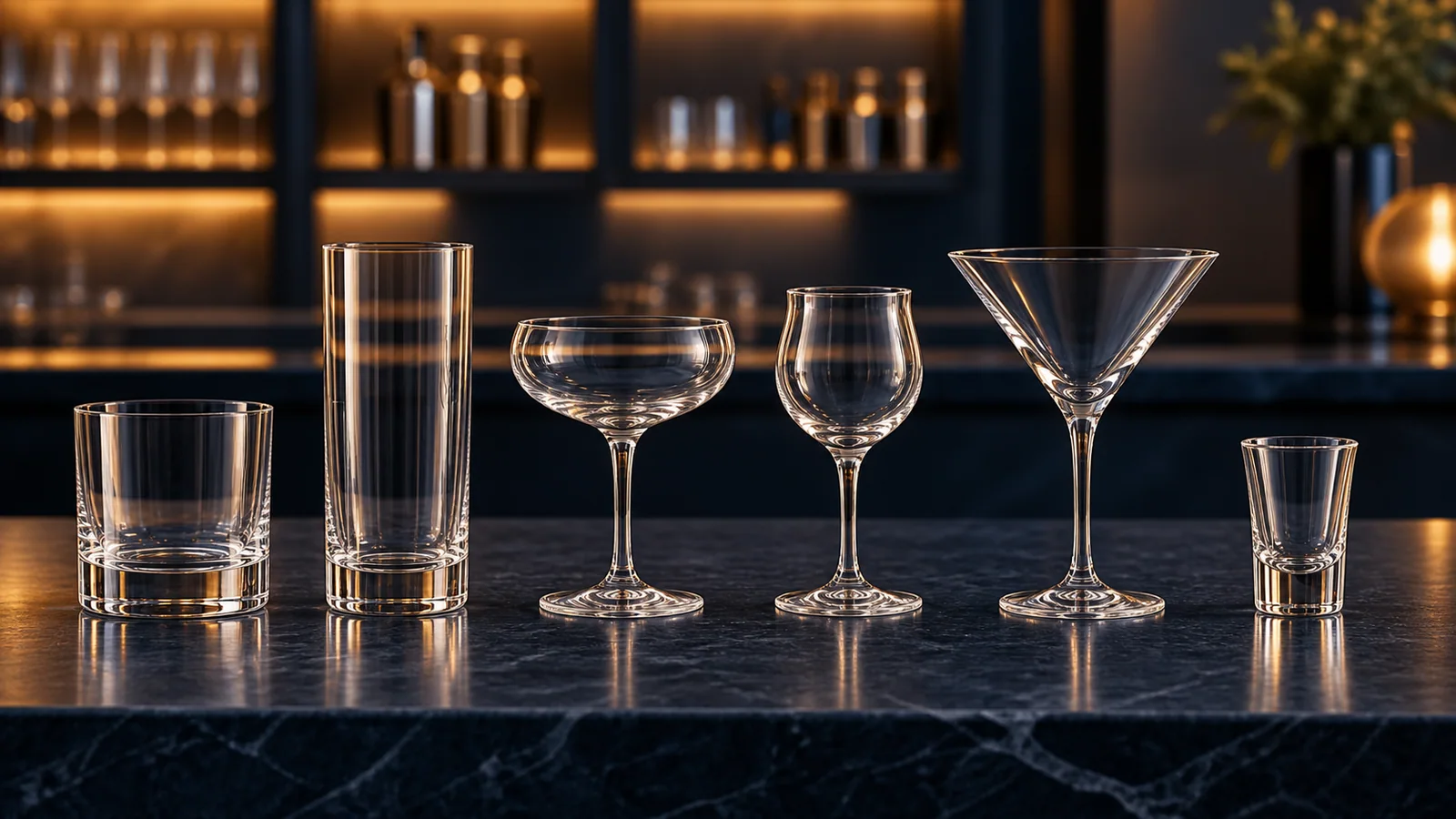
A practical bar-glass assortment starts with the menu, not a percentage copied from another venue. The useful question is not “How many glass shapes should we buy?” but “Which drinks, serving volumes, ice formats and service conditions must this glassware support?”
This guide compares six common cocktail formats—rocks, highball, coupe, Nick & Nora, martini and shot glasses—from a hospitality buyer’s perspective. They are a useful starting set for cocktail service, but they do not replace water glasses, wine glasses, beer glasses, hot-drink glassware or model-specific operating checks.
Quick answer: choose roles before shapes
Build the shortlist in three layers:
- Core service: select the formats used by the largest number of drinks on the current menu. For many cocktail programs this may include a rocks glass and a highball, but the actual mix should come from order data.
- Strained-drink service: compare coupe, Nick & Nora and martini glasses against the finished recipe volume, garnish, tray handling and storage space. Their names are not interchangeable specifications.
- Special service: add shot or tasting glasses only when the menu, tasting format or event program requires them.
Before requesting a quotation, record the intended fill volume, ice and garnish allowance, brimful capacity, overall height, rim diameter, base diameter, weight, rack clearance, packing and replacement requirements for every shortlisted model.
1. Rocks glass: short service over ice
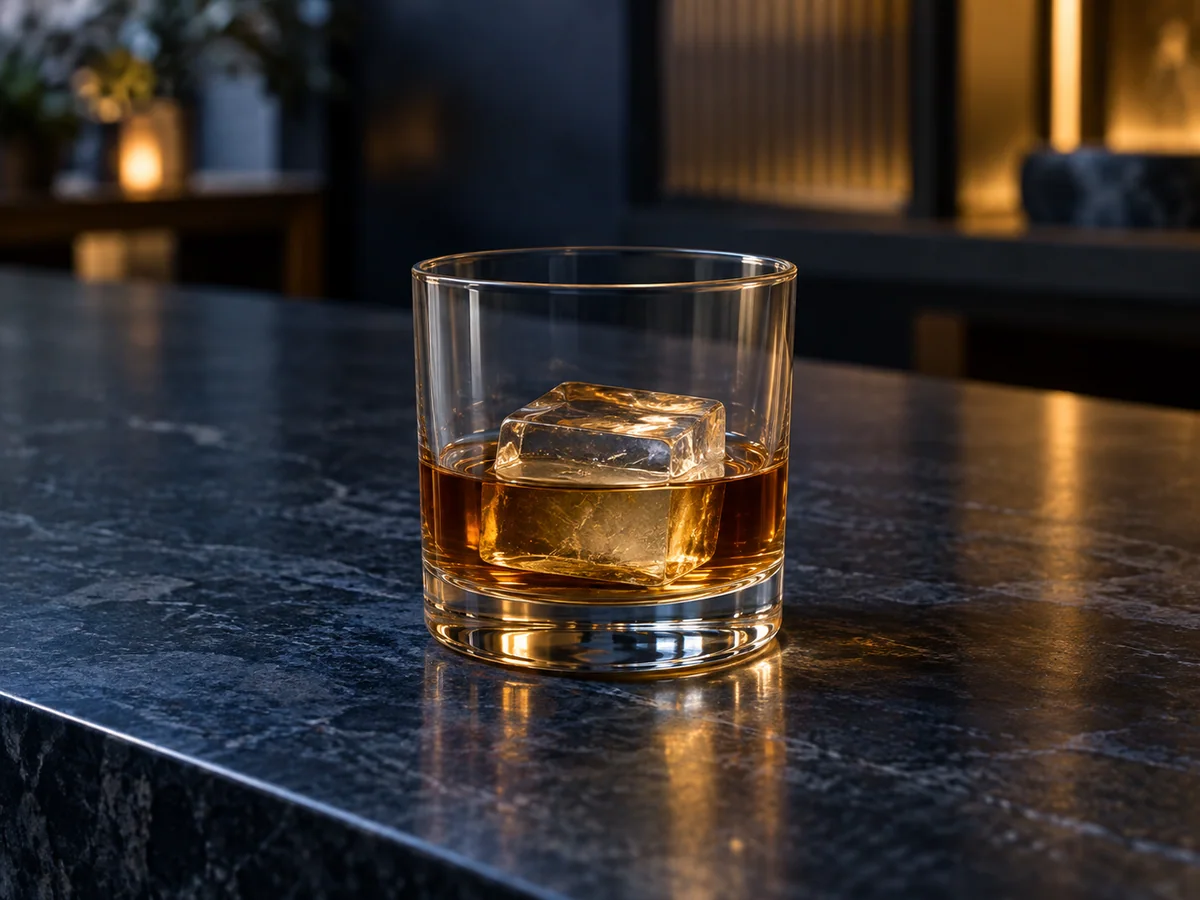
A rocks glass, also called an old fashioned glass, is a short tumbler commonly used for drinks served over ice. The International Bartenders Association specifies an old fashioned glass for the Old Fashioned and a chilled old fashioned glass filled with ice for the Negroni. These examples show the service role; they do not establish one universal capacity.
For procurement, compare the intended pour plus dilution, the ice format and the headspace needed for stirring or garnish. A large cube must pass the rim and sit correctly inside the bowl. Check base thickness, total weight and outside diameter on a sample rather than assuming that a visibly heavy base is automatically more durable.
Ask the supplier to confirm: brimful capacity and measurement method, usable fill target, rim and base diameters, overall height, unit weight, glass composition, care instructions and packing per carton.
2. Highball glass: tall mixed drinks
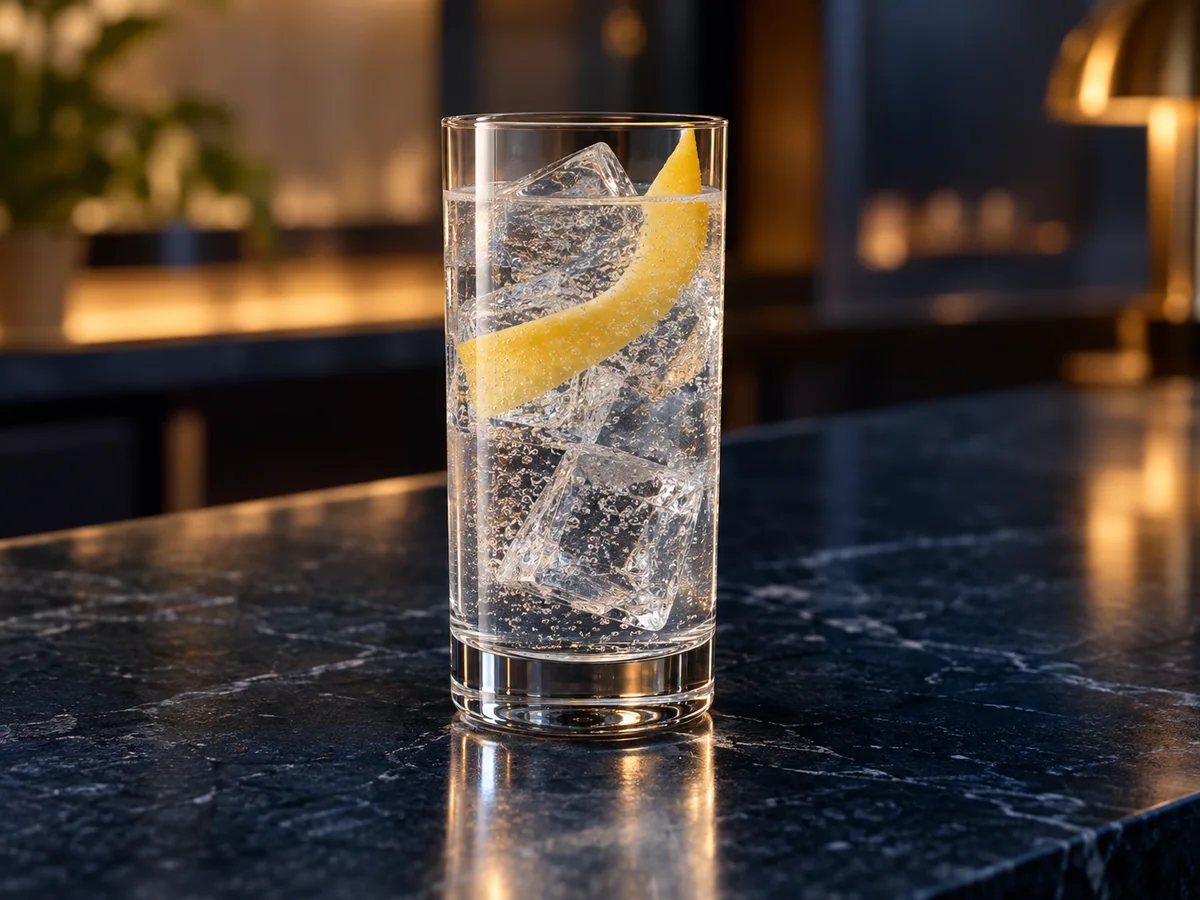
A highball is a tall tumbler used for drinks with ice and a larger mixer component. Official IBA recipes, for example, call for a highball glass for the Tequila Sunrise and Paloma. The right glass still depends on the recipe volume, ice load and required headspace.
Height is an operational specification, not only a visual choice. Check the glass against dishwasher racks, shelf clearance, storage crates and serving trays. Compare the rim diameter with the planned ice and garnish, and confirm whether the exact model is stackable; a straight wall does not prove safe stacking.
Ask the supplier to confirm: brimful and usable capacity, height and rim diameter, unit weight, rack fit, stackability if claimed, care instructions and carton protection.
3. Coupe glass: rounded stemmed service
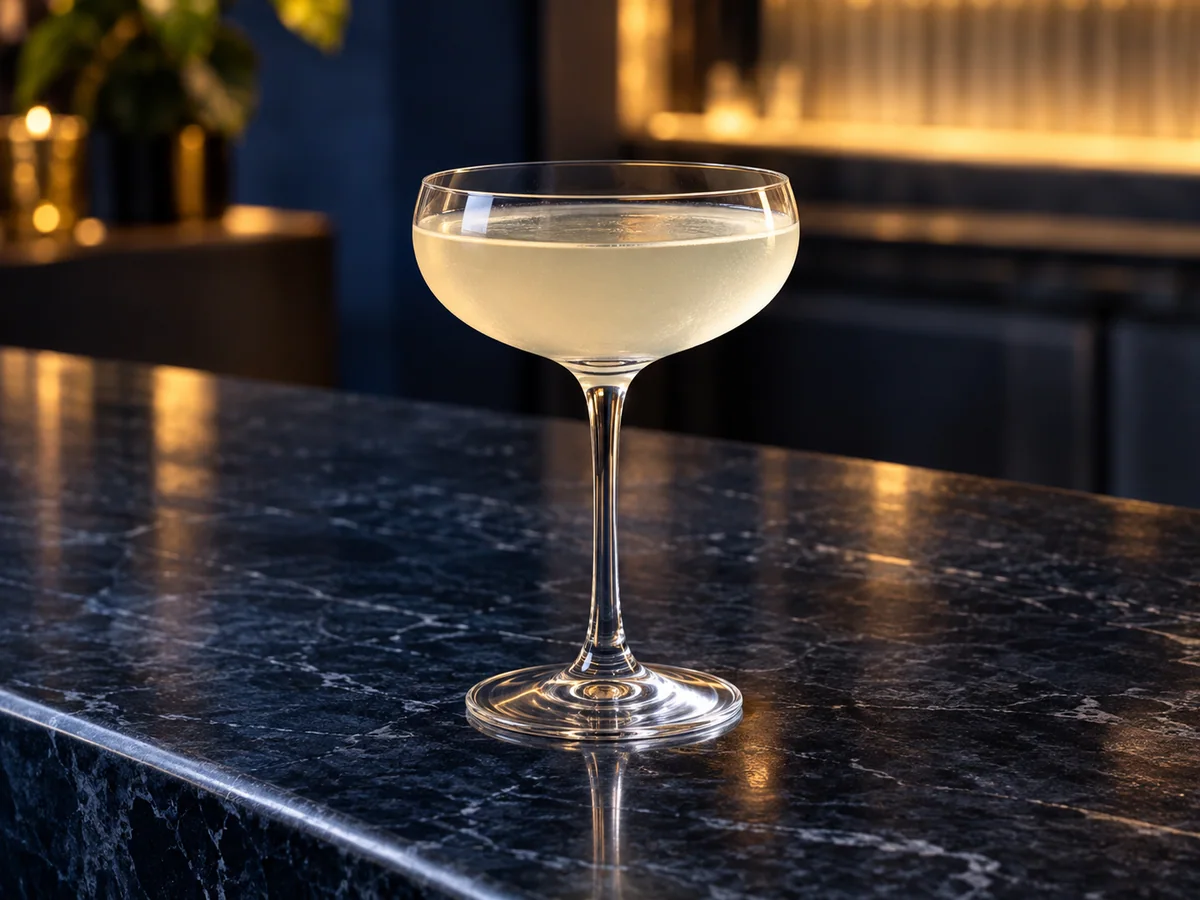
A coupe has a shallow rounded bowl on a stem and is often considered for chilled, strained cocktails. The IBA Daiquiri recipe says to strain into a chilled cocktail glass; in a real buying brief, the buyer should define the selected silhouette and capacity instead of relying on the generic phrase “cocktail glass.”
Compare bowl diameter, rim profile, stem length and foot diameter. A wider bowl may require more tray space and more protective separation in the carton. Test the finished drink on a sample: the target fill should leave practical headspace, and the glass should remain stable when carried and set down.
Ask the supplier to confirm: bowl capacity, intended fill line, maximum diameter, overall height, foot diameter, unit weight and stem protection in the retail and transport pack.
4. Nick & Nora glass: compact stemmed service
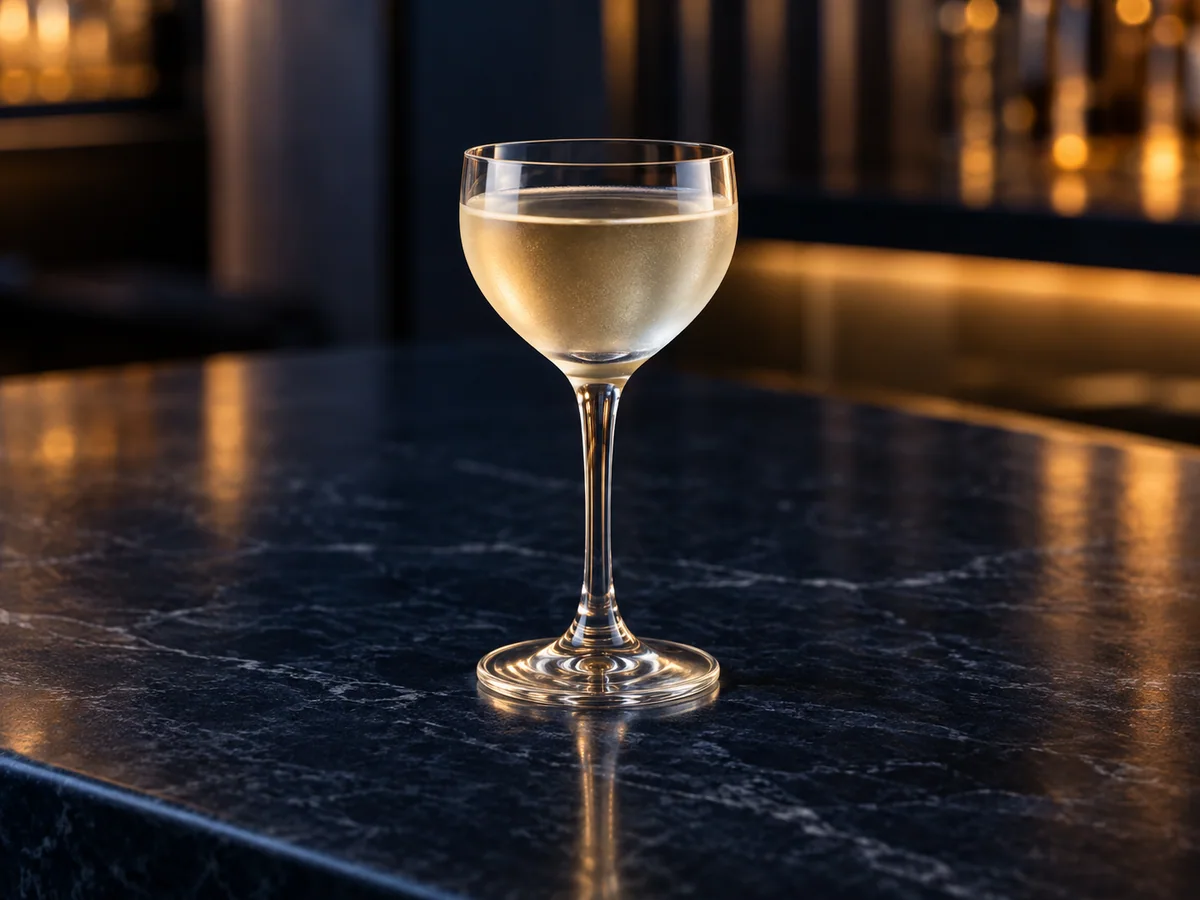
A Nick & Nora glass normally has a smaller, more upright rounded bowl than a coupe. It can be considered for compact strained drinks when the buyer wants a distinct presentation without the wide V profile of a martini glass.
Do not buy from the name alone. Suppliers may use “Nick & Nora,” “cocktail,” “coupe” or “small wine glass” differently. Put a drawing or approved sample reference into the quotation and record the finished recipe volume. If both coupe and Nick & Nora glasses are shortlisted, check whether their roles are genuinely different enough to justify another SKU.
Ask the supplier to confirm: profile drawing, brimful and intended fill capacity, bowl and rim diameters, height, foot diameter, unit weight and packing arrangement.
5. Martini glass: V-shaped presentation
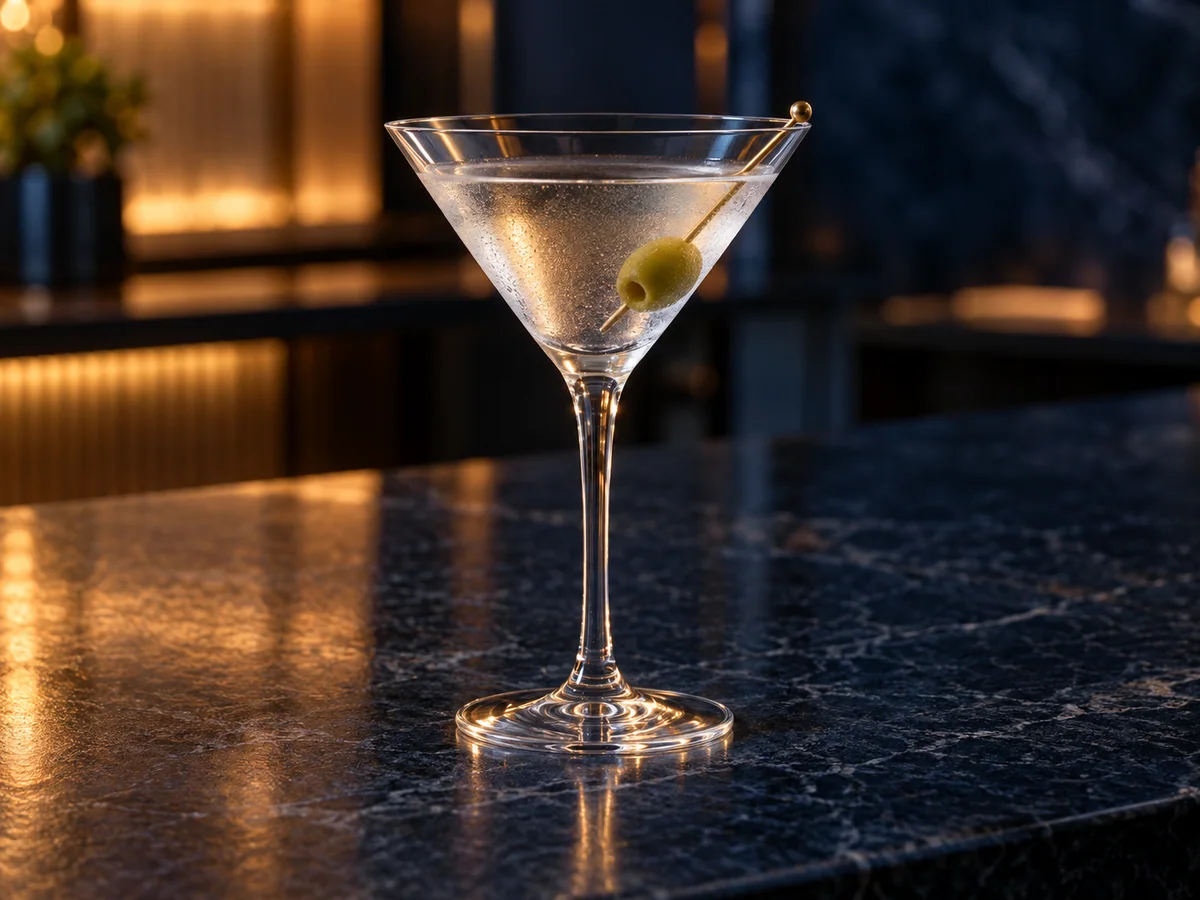
The martini glass is defined visually by its V-shaped bowl. It can support a recognizable presentation, but the buyer should test handling rather than assume that every martini-shaped glass suits high-volume service. Compare the target fill level, rim width, center of gravity, tray spacing and shelf height.
Coupe, Nick & Nora and martini formats can overlap in menu use, so carrying all three should be a deliberate branding or service decision. A focused restaurant list may need only one strained-cocktail format; a specialist cocktail bar may find a second silhouette worthwhile.
Ask the supplier to confirm: finished drink volume, maximum rim diameter, overall height, foot diameter, glass weight, stem protection and replacement availability.
6. Shot glass: measured brief, not a name-based size
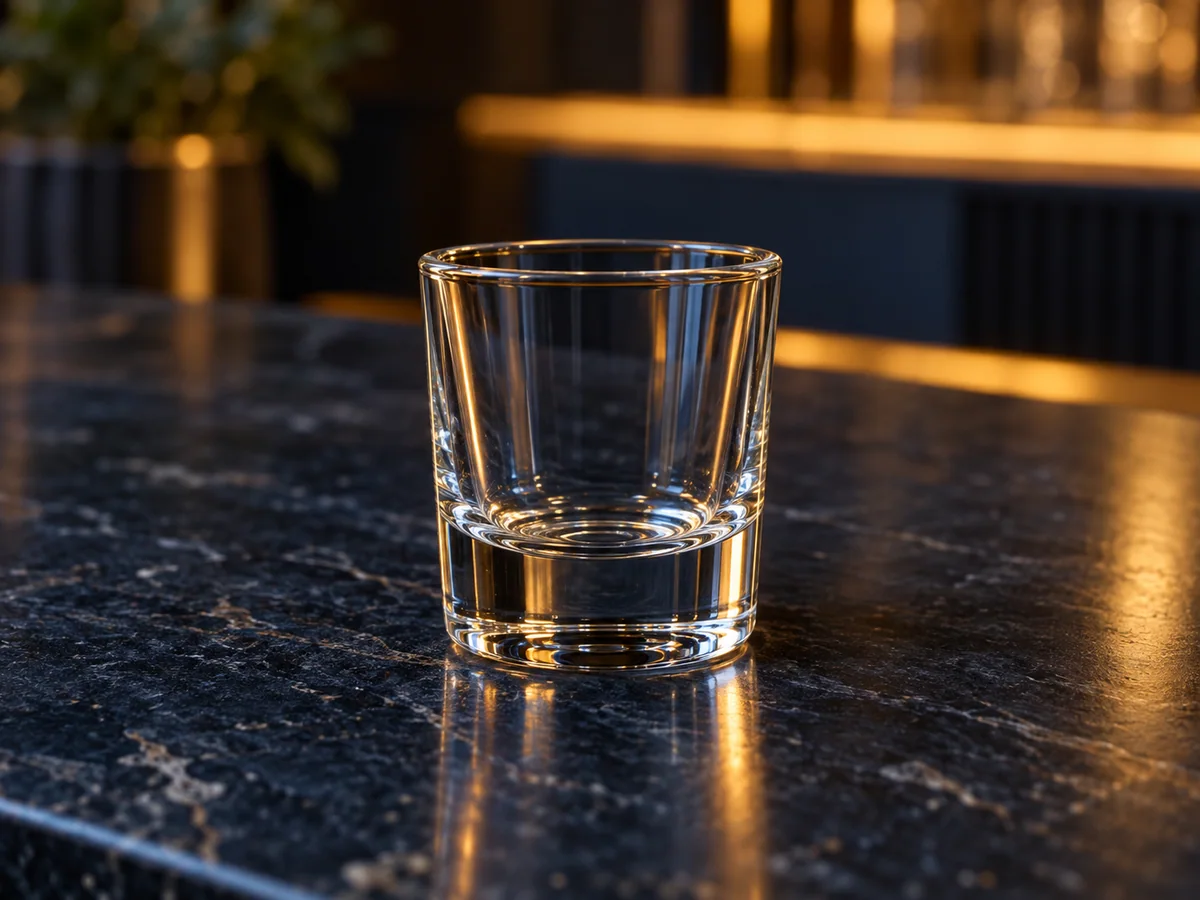
A shot glass may be used for straight spirits, tasting flights, layered serves or event service. “Shot” is a product format, not one globally fixed volume. Specify milliliters and identify whether a supplier is quoting brimful, nominal or intended serving capacity.
If fluid ounces appear in a quotation, state the convention. NIST lists 1 US fluid ounce as approximately 29.57 mL, while an Imperial fluid ounce is approximately 28.41 mL. These are unit conversions, not recommended serving sizes or proof that a glass is an approved legal measure. See the NIST conversion factors.
For a tasting flight, test the glass with the serving board or tray. For promotional decoration, confirm the printable area and finished care instructions. Where regulated measures apply, verify the destination-market requirements and the exact product evidence.
Ask the supplier to confirm: capacity convention, dimensions, weight, any fill or measure marking, decoration area, relevant documents, packing and replacement conditions.
Build the assortment from menu data
Avoid assigning universal stock percentages to glass types. A better method is to map every drink on the current menu to a primary and approved substitute glass, then count peak simultaneous demand by format.
- Export four to eight weeks of sales by drink and service period.
- Map each drink to its specified glass, ice and garnish setup.
- Identify the peak simultaneous demand rather than the full-day sales total.
- Add the number of pieces that can be unavailable during one wash-and-return cycle.
- Add a replacement reserve based on the venue’s own recorded breakage and loss.
- Check the result against shelf, rack and back-stock capacity.
If there is no sales history, start with the opening menu and a documented planning assumption. Review the counts after launch instead of treating the first purchase as a permanent ratio.
A transparent stocking worksheet
Use this working formula for each glass type:
Working stock = peak simultaneous demand + wash-cycle quantity + on-hand replacement reserve
For example, if service observations show that up to 24 rocks glasses are in use at the same time, 12 can be inside one wash-and-return cycle and the venue chooses to hold six ready replacements, the working stock is 42 glasses. The arithmetic is clear, but the inputs belong to that venue only.
Set a separate reorder point:
Reorder point = expected losses during supplier lead time + chosen safety stock
Measure loss by type. A shot glass, long-stemmed glass and heavy tumbler may have different handling patterns. The Libbey Glassware Handling Guide describes thermal and mechanical shock as general causes of glass damage and recommends handling practices to reduce breakage. It is useful staff guidance, not model-specific proof for a Glarivo glass.
Adjust the mix by venue
Cocktail-led bar
Start with the drinks that drive peak orders. Rocks and highball formats may form the operational core, while one or two stemmed formats cover strained drinks. Add a martini or Nick & Nora shape only when it creates a clear menu or presentation role.
Restaurant bar
Keep the cocktail range compact and prioritize compatibility with trays, racks and storage. Remember that this six-format shortlist does not include the water, wine, beer and hot-drink glassware needed by the wider restaurant operation.
Hotel bar or lounge
Coordinate lobby, restaurant, banquet and lounge requirements before consolidating SKUs. A shape that works in one outlet may not fit another outlet’s rack, tray, garnish or replacement workflow. Record which substitutions are approved so staff can respond consistently during high occupancy.
Sample approval checklist
- Confirm the product reference and drawing or approved-sample revision.
- Record brimful capacity, intended fill volume and the measurement method.
- Measure height, rim diameter, maximum diameter, base or foot diameter and unit weight.
- Test the actual drink, ice and garnish setup.
- Check tray balance, grip, shelf clearance and dishwasher-rack fit.
- Review rim, base stability, stem or handle, and agreed appearance criteria.
- Obtain care instructions for the exact finished glass and decoration.
- Confirm unit pack, inner protection, carton quantity and replacement terms.
- Keep a signed or photographed reference sample for future deliveries.
Prepare a comparable RFQ
Send every shortlisted supplier the same drink list, fill volumes, quantity by model, dimensions, decoration, packing and sample requirements. Ask them to identify any assumptions instead of filling gaps with a visually similar product.
Explore the Glarivo Restaurant & Bar Glassware topic, compare drinking glasses and shot glasses, or contact Glarivo with your menu and service brief. Product availability, specifications, order quantities, packing and commercial terms should be reconfirmed in the quotation and approved sample.
FAQ
Does every bar need all six glass types?
No. Use the menu and service data to justify each SKU. A smaller range can be easier to store and replace when the approved glasses genuinely cover the required drinks.
Is catalog capacity the same as serving volume?
Not necessarily. Ask whether the value is brimful, nominal or an intended fill. Leave headspace for ice, dilution, stirring and garnish where applicable.
Can a coupe replace a Nick & Nora or martini glass?
Sometimes, but treat substitution as a documented menu and service decision. Compare finished drink volume, silhouette, rim width, stability, tray space and presentation on physical samples.
How much replacement stock should a venue hold?
There is no reliable universal percentage for every operation. Base the reserve on recorded loss by glass type, supplier lead time, delivery schedule and the risk of a service interruption.